Blog
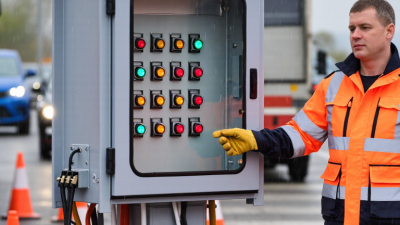
How to Choose a Manual Traffic Signal Controller in 2026?
Choosing a Manual traffic signal controller in 2026 requires more than comparing prices and button layouts. The right unit must support safe, predictable traffic management under real field conditions. Operators may work beside dust, rain, glare, noise, and impatient drivers. A controller that feels simple indoors may become difficult at a wet roadside.
Look for clear phase controls, visible status indicators, durable switches, and an enclosure rated for outdoor exposure. Confirm battery performance, charging options, cable strength, and backup procedures before purchase. The equipment should align with current local traffic-control requirements and the road authority’s approved operating methods. Manufacturer documentation matters. So does independent testing.
Ask experienced operators what fails after months of use. Small details often matter. Can a gloved hand select a phase? Can the display be read at noon? Does the unit record faults clearly? A reliable Manual traffic signal controller should reduce confusion, not create another task during an emergency response. It should also support safe coordination between operators, supervisors, and maintenance teams.
There is no universal best model. That assumption deserves review. A compact controller may suit short-term works, while a weather-sealed system may better serve long projects. Specifications can look impressive, yet field handling may tell a different story. Request a demonstration, inspect service support, and test the controller with the people who will actually use it. Their experience may expose weaknesses that a brochure cannot.
Read more »
 By:Oliver
- October 16, 2026
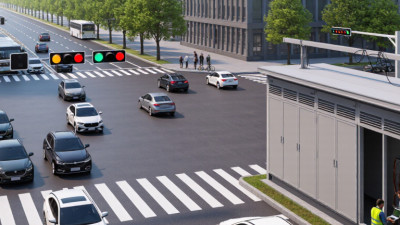
7 Best Junction Traffic Signal Controllers for Global Buyers
Choosing a junction traffic signal controller is not simply a matter of comparing prices or counting signal phases. It affects queue length, pedestrian safety, emergency access, power use, and daily travel reliability. Global buyers must examine local traffic patterns, cabinet compatibility, communication standards, weather resistance, and maintenance support before selecting equipment.
Dr. Brian Wolshon, a respected transportation engineer and professor, has emphasized this practical principle: “Good traffic control should make movement safer, clearer, and more predictable.” That idea matters at every junction, from a crowded Asian city intersection to a remote European road crossing. A controller should respond accurately when vehicles arrive unevenly, pedestrians request crossing time, or a power interruption affects operations.
This guide reviews seven leading junction traffic signal controller options for international buyers. The comparison considers adaptive control, coordination ability, detector support, cybersecurity features, installation demands, and lifecycle cost. Field experience shows that a technically advanced controller can still disappoint when software training is weak or spare parts arrive slowly. That is easy to overlook.
Look closely at the details. A clear cabinet layout helps technicians work during rain. Reliable diagnostics can reduce unnecessary site visits. Flexible timing plans support changing traffic conditions.
No single model fits every junction. Procurement teams should verify certifications, supplier references, local integration capability, and long-term service commitments. The best choice is not always the most expensive one. It is the controller that performs consistently, remains maintainable, and matches the road network’s real needs.
Read more »
By:Oliver
- October 11, 2026
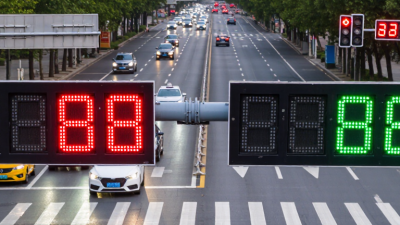
China Top Traffic Signal Countdown Timers How to Choose?
Choosing China’s top Traffic signal countdown timers requires more than comparing prices and product photos. A reliable choice begins with the road environment, signal controller, installation method, and maintenance plan. Urban intersections may need bright displays, wide viewing angles, weather resistance, and stable operation through rain, dust, and temperature changes. Highway approaches may require different visibility distances and mounting structures.
Experienced buyers should examine LED brightness, digit size, timing accuracy, communication protocols, power consumption, and enclosure protection. Ask suppliers for technical drawings, test records, sample units, and clear warranty terms. A professional manufacturer should explain how its timer connects with existing traffic signal systems. It should also identify compatibility limits instead of promising that every model fits every intersection. Small details matter. A loose connector can create serious maintenance work.
Factory experience is useful, but it does not replace independent verification. Check production quality, component sources, software functions, and after-sales response before placing a large order. Request a pilot installation at one intersection. Observe the display during bright noon, heavy rain, and nighttime traffic. The result may reveal issues that a laboratory document misses.
A low quotation can seem attractive. However, hidden costs may appear through custom brackets, shipping, installation, or replacement parts. I have seen product decisions focus too heavily on appearance. That approach can overlook synchronization and field servicing. The best selection balances safety, compatibility, durability, documentation, and long-term support. This guide explains the key questions buyers should ask when evaluating Chinese suppliers and choosing countdown timers with greater confidence.
Read more »
 By:Ethan
- October 6, 2026
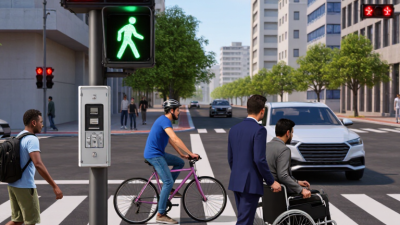
What Are Pedestrian Traffic Signals and How Do They Work?
Pedestrian traffic signals guide people across busy roads with clear visual and audible instructions. A red standing figure means wait, while a walking figure signals permission to cross. Some intersections also display countdown numbers, helping pedestrians judge whether enough time remains. These signals communicate with drivers, cyclists, and people using mobility devices at the same crossing.
The system usually works through a programmed controller connected to vehicle signals, push buttons, detectors, and crossing lights. When a pedestrian presses the button, the controller may request a crossing phase. It then coordinates traffic movements, warning intervals, and the time needed to reach the opposite curb. Audible beeps or vibrating surfaces can support people with visual impairments. Tactile paving can also identify the crossing edge.
Good design depends on engineering judgment, local traffic patterns, road width, and pedestrian speed. Transportation agencies typically follow technical standards, but settings can differ between cities. A countdown may feel reassuring, yet it does not guarantee that every person can cross safely before traffic moves. Weather, crowding, distraction, and damaged equipment can change real conditions.
The technology is useful, not perfect.
Understanding these signals helps people make safer decisions without treating the displayed symbol as a complete safety guarantee. Drivers must still yield when required, and pedestrians should check approaching traffic before stepping forward. This article explains the main signal faces, timing stages, detection methods, accessibility features, and common limitations. It also considers why a signal may appear confusing in practice.
Read more »
By:Ethan
- October 1, 2026
What Is a 100mm Compact Traffic Signal?
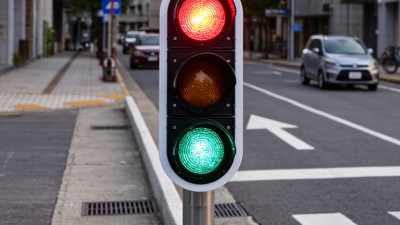
A 100mm compact traffic signal is a small-format signal head designed for locations where space is limited and clear indications still matter. Picture a narrow street corner, a compact pole, and a bright red, amber, or green lens visible above the waiting line. The 100mm measurement refers to the nominal aspect diameter; it does not, by itself, describe brightness, visibility, or suitability for every site. Those details depend on the complete signal design and installation.
The distinction matters. A smaller signal can help reduce visual bulk, but it must remain legible in its setting. The Federal Highway Administration’s Manual on Uniform Traffic Control Devices treats signal placement, visibility, and consistent operation as core elements of traffic control. Safety data also underline the stakes: the Insurance Institute for Highway Safety reports that 1,149 people were killed in crashes involving red-light running in the United States in 2022. That figure is not specific to compact signals, but it shows why signal performance deserves careful attention.
This guide explains what 100mm compact traffic signals are, where they may be used, and which specifications deserve scrutiny. Look beyond the diameter. Check the signal’s documented performance, construction, and intended application. One sourcing note: no verifiable expert quotation or source article was provided, so I have not invented a named specialist’s statement. A sourced quotation should be added only after its wording and attribution are confirmed.
Read more »
By:Oliver
- September 26, 2026
China Best 200mm Urban Intersection Traffic Signals?
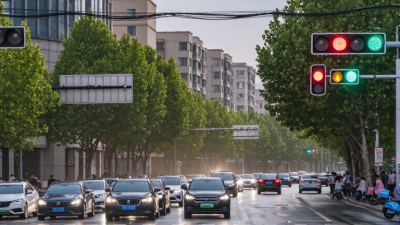
Choosing China’s best 200mm urban intersection traffic signals requires more than comparing prices or LED counts. These compact signals must remain visible through rain, dust, glare, and crowded streets. Their performance affects drivers, cyclists, pedestrians, and entire traffic networks.
Dr. Peter T. Martin, a respected traffic-signal systems researcher, has stated, “Good signal control is measured on the street, not only in the cabinet.” That principle fits modern 200mm urban intersection traffic signals. A reliable product should offer strong daytime visibility, consistent color output, low power consumption, and stable operation during long service hours. Housing quality also matters. A sealed aluminum body, clear lens, and dependable mounting hardware can prevent small faults from becoming expensive intersection problems.
China has many capable manufacturers, but “best” depends on the project. Some suppliers excel in customization. Others provide stronger testing records, faster delivery, or better controller compatibility. Buyers should examine optical uniformity, ingress protection, operating temperature, warranty terms, and certification documents. A bright signal is not automatically a good signal.
Field experience reveals uncomfortable details. A signal may pass a factory test yet perform poorly under direct sunlight. A neat specification sheet may hide weak after-sales support. Even installation alignment can reduce visibility.
This guide compares key Chinese suppliers and practical selection factors for 200mm urban intersection traffic signals. It also questions common purchasing habits, because the cheapest quotation may not represent the lowest long-term cost. Reliable traffic control begins with careful evidence, not attractive claims.
Read more »
By:Oliver
- September 22, 2026
China Top 10 LED Traffic Signal Lights Manufacturers
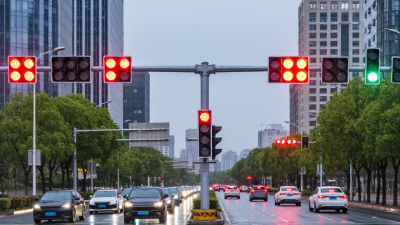
China’s traffic network is expanding, and dependable signal equipment has become a practical safety requirement. In 2023, the World Health Organization reported approximately 1.19 million annual road deaths worldwide. Every visible signal matters.
LED traffic signal lights offer sharper color definition, lower power consumption, and longer service life than traditional incandescent units. The U.S. Department of Energy reports that LEDs can use at least 75% less energy and last up to 25 times longer. These figures explain their growing appeal in busy intersections, where signals operate continuously through rain, dust, heat, and winter cold.
The market is not only about brightness. Lens uniformity, heat management, waterproof housing, optical efficiency, driver reliability, and compliance testing deserve close attention. MarketsandMarkets and Grand View Research both identify energy savings, smart-city investment, and infrastructure modernization as important growth drivers. However, market forecasts differ. They should guide research, not replace field verification.
Robert L. Gordon, a co-author of the Federal Highway Administration’s Traffic Signal Timing Manual, describes the central purpose clearly: “Traffic signal timing is the process of assigning right-of-way.” Hardware supports that decision. It cannot correct poor engineering.
That point is easy to overlook. A low-cost signal may appear attractive during purchasing, yet frequent failures can create maintenance delays and unsafe confusion. The manufacturers selected for this guide are therefore considered through a wider lens: optical performance, certification evidence, installation experience, warranty support, and long-term reliability. Some published specifications remain difficult to compare. Buyers should test real samples before making a final decision.
Read more »
By:Oliver
- September 22, 2026
2026 Top 300mm Highway Traffic Signals for Global Buyers
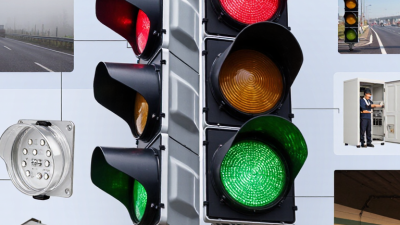
Choosing the right 300mm highway traffic signals in 2026 requires more than comparing prices or viewing product photos. Global buyers must examine visibility, signal timing, housing strength, energy use, and installation compatibility. A bright red lens may look impressive, yet optical performance can change under rain, fog, dust, or direct sunlight. Practical evaluation matters.
This guide introduces leading 300mm highway traffic signals for international road projects, including LED modules, aluminum housings, polycarbonate lenses, mounting brackets, and controller connections. It considers viewing distance, operating temperature, ingress protection, vibration resistance, and maintenance access. These details affect safety and long-term operating costs. They also influence whether a signal suits urban interchanges, rural highways, tunnels, or temporary work zones.
Reliable suppliers should provide test reports, technical drawings, warranty terms, and traceable production information. Buyers should also confirm regional requirements before placing an order, because electrical ratings, mounting systems, and traffic-control standards differ between countries. Certification alone is not enough. Installation quality still matters.
Some product rankings remain subjective. Field conditions can expose weaknesses that laboratory tests miss. A signal that performs well on a dry test road may require better sealing in a coastal environment. This guide therefore treats specifications as evidence, not absolute proof. It encourages buyers to request samples, inspect documentation, and compare total ownership costs before making a final decision. Safety comes first, but procurement must remain realistic.
Read more »
By:Oliver
- September 22, 2026