[email protected] +91-70303 60044 MIDC Bhosari, Pune, India
0%

Choosing China’s best 200mm urban intersection traffic signals requires more than comparing prices or LED counts. These compact signals must remain visible through rain, dust, glare, and crowded streets. Their performance affects drivers, cyclists, pedestrians, and entire traffic networks.

Dr. Peter T. Martin, a respected traffic-signal systems researcher, has stated, “Good signal control is measured on the street, not only in the cabinet.” That principle fits modern 200mm urban intersection traffic signals. A reliable product should offer strong daytime visibility, consistent color output, low power consumption, and stable operation during long service hours. Housing quality also matters. A sealed aluminum body, clear lens, and dependable mounting hardware can prevent small faults from becoming expensive intersection problems.

China has many capable manufacturers, but “best” depends on the project. Some suppliers excel in customization. Others provide stronger testing records, faster delivery, or better controller compatibility. Buyers should examine optical uniformity, ingress protection, operating temperature, warranty terms, and certification documents. A bright signal is not automatically a good signal.

Field experience reveals uncomfortable details. A signal may pass a factory test yet perform poorly under direct sunlight. A neat specification sheet may hide weak after-sales support. Even installation alignment can reduce visibility.

This guide compares key Chinese suppliers and practical selection factors for 200mm urban intersection traffic signals. It also questions common purchasing habits, because the cheapest quotation may not represent the lowest long-term cost. Reliable traffic control begins with careful evidence, not attractive claims.
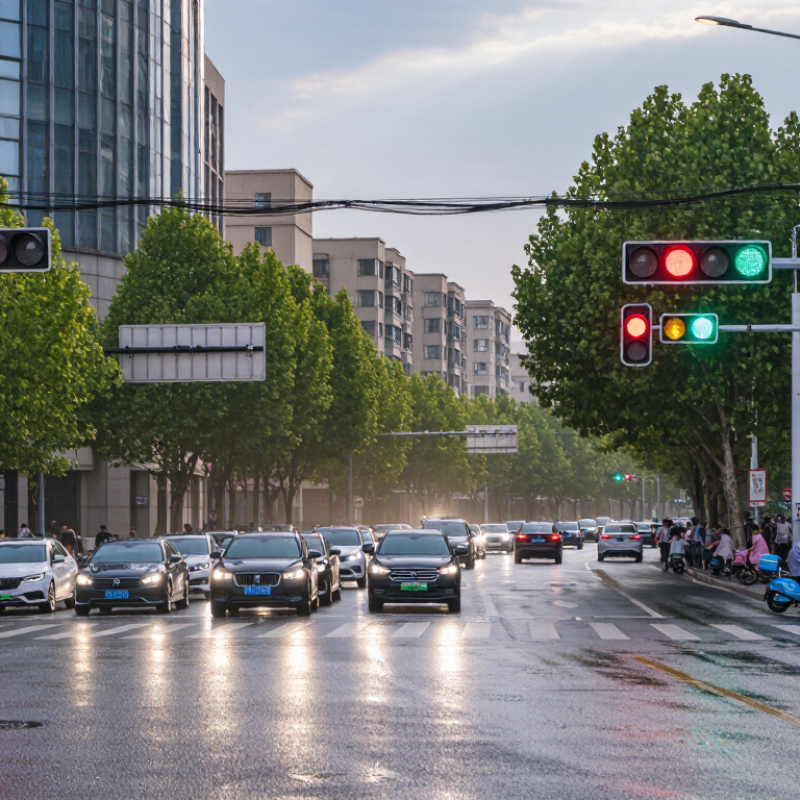
China Best 200mm Urban Intersection Traffic Signals?

Definition and Role of 200mm Urban Intersection Traffic Signals

A 200mm urban intersection traffic signal is a compact optical device that controls vehicle and pedestrian movement. The 200mm measurement usually describes the signal lens diameter. This size balances visibility, installation space, and equipment cost on busy city roads.

Its main role is to present clear red, yellow, and green indications from a safe distance. At a typical intersection, drivers may face glare, rain, buses, and complex backgrounds. Therefore, signal performance depends on more than diameter. Lens brightness, viewing angle, mounting height, housing design, and light distribution also matter. Engineers should verify applicable national and municipal standards before selecting the equipment.

Field inspections often show small but important problems. A signal may be bright at noon but difficult to read through wet glass. A poorly aligned head can confuse drivers approaching from a side lane. A 200mm signal also needs suitable spacing and timing coordination with nearby crossings. Maintenance teams should check fading lenses, loose brackets, water entry, and damaged wiring. These details affect daily reliability.

Not every installation performs equally. That is worth remembering. In dense Chinese urban areas, careful testing during daylight and night conditions can reveal weaknesses early. Photometric checks, visibility trials, and documented maintenance records support safer decisions. A technically correct signal can still disappoint when installation conditions are ignored.

Key Features of High-Quality Chinese 200mm Traffic Signals

A high-quality Chinese 200mm traffic signal should offer clear visibility, stable operation, and practical maintenance. The lens must produce an even light pattern, not a bright center with dark edges. Red, amber, and green LEDs should remain visible in rain, haze, and strong sunlight. A bright lamp is not automatically a good signal.

Housing quality matters in daily road use. Durable polycarbonate or coated metal can resist moisture, dust, vibration, and temperature changes. Look for sealed joints, protected cable entries, and an ingress rating supported by test records. The signal should also use efficient LEDs, reliable wiring, and a replaceable visor. Small details reduce service time.

Compatibility deserves careful attention. The 200mm signal must match the local controller, voltage, mounting bracket, and communication system. A supplier should provide electrical data, photometric reports, safety documentation, and factory inspection records. Relevant national or regional standards should be clearly identified, not vaguely promised. Ask for sample testing before large orders. It costs more time.

In real projects, installation conditions often expose weaknesses that showroom photos hide. Check screw alignment, cable length, lens clarity, and sealing after assembly. Some products look polished but need better documentation. That should invite questions, not quick approval. A dependable manufacturer responds with measurable data and accepts reasonable technical review.

Signal Housing, LED Optics, and Visibility Standards

China Best 200mm Urban Intersection Traffic Signals?

A 200mm traffic signal needs more than a bright LED module. Its housing should resist rain, dust, vibration, and repeated temperature changes. A sealed, corrosion-resistant enclosure protects wiring and optical parts during long outdoor service. The visor also matters. It reduces sunlight glare and limits confusing reflections from nearby glass buildings.

LED optics should create a clear, even light field across the lens. Hot spots look bright, but they can reduce signal recognition at distance. Proper beam control supports visibility from different approach angles. Field checks should measure luminance, color consistency, contrast, and viewing angle. These results must match the project’s local visibility standards and installation requirements. One certificate is not universal approval.

Tips: Test signals at dawn, noon, rain, and night. Check a driver’s view from the stop line and farther back. Inspect the lens for haze after cleaning. Small details matter.

Housing alignment is often overlooked. A slightly tilted signal can appear weak from one lane and overly bright from another. Maintenance access should be practical, with secure seals and replaceable components. Good thermal management also protects LED output over time. Some designs perform well in laboratories but struggle beside dusty roads. That gap deserves honest review.

Installation, Control Compatibility, and Urban Intersection Use

China Best 200mm Urban Intersection Traffic Signals?

A 200mm signal head suits many compact urban junctions, especially streets with moderate approach speeds. Installation must follow the local traffic-control standard, not only a supplier drawing. The MUTCD requires consistent signal placement, visibility, and mounting height. Field checks should confirm sight distance from the driver’s stopping position. Dust, tree branches, parked vans, and winter glare can reduce recognition. Small details matter.

Control compatibility deserves equal attention. The signal controller should support the required voltage, load monitoring, pedestrian phases, emergency priority, and communication protocol. NEMA TS 2 practices are often used as a technical reference, but local specifications remain decisive. FHWA’s Traffic Signal Timing Manual recommends validating yellow and red-clearance intervals through engineering analysis. A 200mm lens cannot correct poor timing. It only displays it.

Urban use is demanding. FHWA estimates that about half of reported crashes occur at intersections or are intersection-related. That figure supports careful visibility and phasing reviews. LED modules can lower energy demand, yet installers should verify current draw and fault detection. I would also test nighttime contrast after rain. Laboratory performance is not street performance. A perfect installation is rare. Maintenance access, cable labeling, and spare-module compatibility are sometimes overlooked. This is where an otherwise capable project can become unreliable.

China Best 200mm Urban Intersection Traffic Signals: Installation, Control Compatibility, and Urban Intersection Use

This chart shows commonly specified mounting-clearance ranges for 200mm vehicle and pedestrian traffic signal heads. Side-mounted vehicle and pedestrian signals are typically installed with a lower clearance of about 2.1–2.4 meters, while overhead vehicle signals commonly require approximately 4.5–5.5 meters. Actual installation must follow the applicable local road authority, accessibility, electrical, and structural requirements. For control compatibility, confirm the signal head voltage, wiring interface, controller output type, and communication protocol before deployment.

How to Evaluate China’s Best 200mm Traffic Signal Suppliers

China’s Best 200mm Urban Intersection Traffic Signals?

Evaluating China’s best 200mm traffic signal suppliers requires more than comparing unit prices. The 2023 China Statistical Communiqué reported an urbanization rate of 66.16%. This growth increases demand for reliable intersection equipment. I examine optical uniformity, LED failure rates, heat management, sealing, and controller compatibility. Measure it. A signal should meet GB 14887 requirements and relevant parts of EN 12368. Ask for independent photometric and electromagnetic compatibility test reports. Factory certificates alone are not enough.

The WHO Global Status Report on Road Safety 2023 estimates 1.19 million annual road deaths worldwide. That figure makes installation quality a safety issue, not a purchasing detail. Request samples from regular production, not specially prepared units. Test them through temperature cycling, vibration, water exposure, and night-time visibility checks. An IP rating matters, but gasket ageing can still cause failures. Review production records, component traceability, warranty response time, and spare-part availability. A supplier should explain its incoming inspection process clearly.

My field experience suggests that the cheapest quotation often hides testing gaps. No spreadsheet catches every weak connector. Visit the assembly line if possible, and inspect solder joints, cable glands, lens clarity, and batch labels. Require a written acceptance plan with measurable limits. I would also compare three sample batches, because one successful sample proves very little. A minor inconsistency deserves attention. It may become a serious intersection failure later.

FAQS

What makes a 200mm traffic signal high quality?

It should provide clear visibility, stable operation, and practical maintenance. Brightness alone is not enough.

How should the signal perform in poor weather?

Red, amber, and green lights should remain visible during rain, haze, and strong sunlight. Test them at different times.

What housing materials are suitable for outdoor traffic signals?

Durable polycarbonate or coated metal can resist moisture, dust, vibration, and temperature changes. Sealed joints are important.

Why does the visor matter?

A replaceable visor reduces glare and reflections from nearby glass buildings. It also helps drivers recognize the signal clearly.

How can LED optical quality be checked?

Look for an even light field across the lens. A bright center with dark edges may reduce recognition from a distance.

What compatibility details should buyers confirm?

Check the local controller, voltage, mounting bracket, cable length, and communication system. Small mismatches can delay installation.

Which documents should a supplier provide?

Request electrical data, photometric reports, safety documents, and factory inspection records. Vague promises are not enough.

How should a sample be tested before a large order?

Test it at dawn, noon, night, and during rain. View it from the stop line and farther back.

What installation problems deserve attention?

Check screw alignment, cable entry protection, lens clarity, and sealing after assembly. A polished sample can still hide weak details.

What maintenance features are useful?

Replaceable components, secure seals, and accessible wiring can reduce service time. Some designs still need better documentation.

Conclusion

This article explores how 200mm urban intersection traffic signals support safe, orderly, and efficient movement at city junctions. It explains their role in regulating vehicles, pedestrians, and turning flows, while highlighting the importance of reliable signal housing, energy-efficient LED optics, clear color recognition, and strong visibility in different weather and lighting conditions. High-quality signals should offer durable construction, consistent performance, and compliance with applicable visibility and installation standards.

The discussion also covers practical considerations for urban deployment, including mounting methods, wiring, controller compatibility, maintenance access, and suitability for busy intersections. To evaluate China’s best 200mm traffic signal suppliers, buyers should compare optical performance, materials, production consistency, customization options, testing procedures, delivery capability, technical support, and after-sales service. A careful assessment of these factors can help cities and project contractors select dependable solutions that provide long-term safety, efficiency, and operational value.

Oliver

Oliver

Oliver is a professional marketing specialist with a deep understanding of the company’s products, customers, and evolving market needs. With a background in strategic communication, content development, and customer-focused marketing, he transforms complex product information into clear,......