[email protected] +91-70303 60044 MIDC Bhosari, Pune, India
0%

Choosing a Manual traffic signal controller in 2026 requires more than comparing prices and button layouts. The right unit must support safe, predictable traffic management under real field conditions. Operators may work beside dust, rain, glare, noise, and impatient drivers. A controller that feels simple indoors may become difficult at a wet roadside.

Look for clear phase controls, visible status indicators, durable switches, and an enclosure rated for outdoor exposure. Confirm battery performance, charging options, cable strength, and backup procedures before purchase. The equipment should align with current local traffic-control requirements and the road authority’s approved operating methods. Manufacturer documentation matters. So does independent testing.

Ask experienced operators what fails after months of use. Small details often matter. Can a gloved hand select a phase? Can the display be read at noon? Does the unit record faults clearly? A reliable Manual traffic signal controller should reduce confusion, not create another task during an emergency response. It should also support safe coordination between operators, supervisors, and maintenance teams.

There is no universal best model. That assumption deserves review. A compact controller may suit short-term works, while a weather-sealed system may better serve long projects. Specifications can look impressive, yet field handling may tell a different story. Request a demonstration, inspect service support, and test the controller with the people who will actually use it. Their experience may expose weaknesses that a brochure cannot.
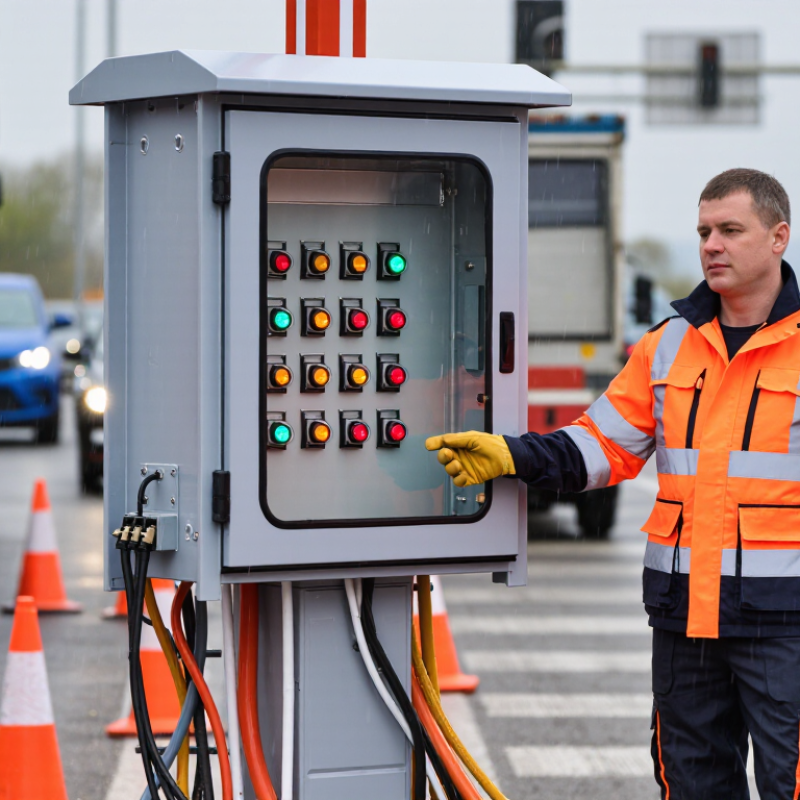
How to Choose a Manual Traffic Signal Controller in 2026?

Define the Role and Operating Conditions of a Manual Traffic Signal Controller

How to Choose a Manual Traffic Signal Controller in 2026?

A manual traffic signal controller lets a trained operator adjust signal phases during unusual traffic conditions. Its role is practical, not decorative. It supports temporary lane changes, emergency access, road maintenance, and event traffic. The operator should see approaching vehicles, pedestrian crossings, and every signal head clearly. Poor visibility creates dangerous hesitation.

Define the operating conditions before selecting the controller. Check the power supply, cabinet location, weather exposure, and expected operating hours. A roadside unit may face rain, dust, vibration, heat, or freezing temperatures. The enclosure should protect switches and internal circuits from these conditions. Controls must remain clear when the operator wears gloves. Keep it simple.

The control interface should show active phases, timing status, and fault conditions without confusing symbols. Manual commands should not create conflicting movements between vehicles and pedestrians. Trained staff should follow written procedures and confirm each phase change aloud when traffic is dense. Maintenance teams also need accessible terminals, readable labels, and test records. In field inspections, small issues often matter: a stiff selector, faded indicator, or loose cable can delay a response. A common weakness is choosing from a feature list instead of observing the actual site. That approach sounds efficient, but it can overlook glare, noise, poor footing, or limited sight distance. Trial operation under realistic conditions is worth the extra time.

Compare Signal Phases, Timing Controls, and Operator Interfaces

How to Choose a Manual Traffic Signal Controller in 2026?

Signal phases should match the intersection’s real movement patterns. Check vehicle, pedestrian, bicycle, and emergency phases separately. A controller should support protected turns, clearance intervals, and pedestrian recall settings. Review phase conflicts with an experienced traffic engineer before installation. Small timing errors can create long queues or unsafe crossings.

Timing controls need clear adjustment ranges and dependable locking methods. Look for independent settings for minimum green, maximum green, yellow, and all-red intervals. Time-of-day plans can reduce delays during school periods, events, or nighttime traffic.

Manual override should show its active phase immediately. Operators need visible status lamps, not hidden menu screens. Keep a written timing record beside the cabinet.

The operator interface matters during rain, darkness, and stressful incidents. Large controls, tactile feedback, and readable labels reduce hesitation. A simple phase diagram helps new staff understand the sequence quickly. Test the interface with gloves and poor lighting. It may pass a desk review but fail outdoors.

Alarm messages should identify the affected phase and recommended action. Event logs also support maintenance and accountability. Avoid interfaces that require repeated guessing.

My own selection process would include more field testing than I once considered necessary. Even trained operators can misread a flashing indicator. That weakness deserves attention.

Check Safety Standards, Emergency Features, and Traffic Compatibility

How to Choose a Manual Traffic Signal Controller in 2026?

A manual traffic signal controller should begin with safety, not convenience. The WHO Global Status Report on Road Safety 2023 records approximately 1.19 million annual road deaths worldwide. That figure makes dependable control equipment a practical responsibility. Check compliance with the applicable national standard and the latest local traffic-control manual. In the United States, the MUTCD 11th Edition requires consistent signal indications, visibility, and operational control. Similar requirements may differ elsewhere. Confirm them before purchasing.

Inspect emergency functions closely. The controller should support documented emergency-vehicle preemption, pedestrian priority, manual flash control, and a secure return to normal timing. A conflict monitor or equivalent fault-detection system is essential. It should prevent incompatible green indications after wiring or programming errors. NCHRP Report 812, Signal Timing Manual, Second Edition, stresses coordinated timing, detector inputs, and field verification. Ask for test records, not only a certificate.

Traffic compatibility is equally important. Match the controller with signal-head voltage, phase quantity, detector technology, pedestrian equipment, cabinet wiring, and communications interfaces. A small mismatch can create nuisance failures during rain, heat, or power changes. Experience shows that hand switches are often installed without checking future expansion. That is a mistake. Allow spare inputs and clear labeling. I would also test the unit under simulated detector loss and emergency activation. Real sites are messier than manuals suggest. A checklist helps, but it cannot replace witnessed commissioning and periodic maintenance.

Evaluate Installation Requirements, Durability, and Maintenance Needs

Choosing a Manual Traffic Signal Controller in 2026

Choosing a manual traffic signal controller in 2026 starts with the installation site. Measure cabinet space, conduit routes, mounting height, and available power before ordering. A field inspection often reveals problems drawings miss. Check voltage, phase requirements, grounding, and weather exposure with a qualified traffic engineer. The controller should support clear manual operation, visible indicators, and secure access. Keep controls reachable without obstructing pedestrians or maintenance vehicles.

Durability depends on more than a thick enclosure. Look for corrosion-resistant materials, sealed connections, readable labels, and components rated for local temperatures. Rain, dust, vibration, and repeated button use gradually expose weak designs. Ask for documented testing, service records, and replacement-part availability. Independent inspection can strengthen confidence when supplier claims seem vague. Do not assume “industrial” means maintenance-free.

Maintenance needs should be visible before installation. Choose a layout that lets technicians inspect wiring without removing unrelated parts. Use common fuses, clearly marked terminals, and accessible diagnostic points where appropriate. Create a schedule for cleaning, functional tests, torque checks, and emergency response drills. Record failures, weather conditions, and repair times in a simple log. This evidence improves future purchasing decisions. A small compromise may remain. Lower initial cost can increase service visits. That trade-off deserves honest review.

How to Choose a Manual Traffic Signal Controller in 2026?

Evaluate installation requirements, durability, and maintenance needs before selecting a controller for temporary traffic management or manual signal operation.

The chart uses a practical 100-point selection framework: installation compatibility is weighted at 35 points, durability and environmental protection at 40 points, and maintenance simplicity at 25 points. Check local traffic regulations, electrical requirements, enclosure protection, spare-parts availability, and inspection procedures before purchase.

Select the Best Controller by Cost, Scalability, and Local Support

Choosing a manual traffic signal controller in 2026 requires more than comparing purchase prices. A low-cost unit may need frequent repairs, special wiring, or costly replacement parts. Calculate the total cost over five years, including installation, training, inspections, and downtime. Ask for clear service terms and spare-part availability. Price matters, but reliability protects the budget.

Scalability should match the road network’s future, not only today’s intersection. Look for modular inputs, adjustable timing functions, clear status indicators, and space for future upgrades. A controller should support additional signal heads or pedestrian phases without forcing a complete cabinet replacement. Keep the interface simple. During a busy maintenance shift, confusing controls can create dangerous delays.

Local support often separates a practical purchase from an expensive mistake. Choose a supplier with technicians who understand regional traffic layouts, environmental conditions, and electrical practices. Request response times, installation guidance, wiring diagrams, and hands-on training. I once trusted a cheaper system because its specifications looked impressive. The local service team was unavailable, and the project lost valuable time. That assumption was wrong. Before ordering, speak with nearby users and inspect a working installation, if possible. Their comments may reveal weak documentation or difficult controls that brochures hide. Reliable records, tested procedures, and realistic support commitments make the final choice more defensible.

FAQS

Which signal phases should a manual traffic signal controller support?

It should handle vehicle, pedestrian, bicycle, and emergency phases separately. Protected turns, clearance intervals, and pedestrian recall settings are important. Review possible phase conflicts with a qualified traffic engineer.

What timing controls should operators adjust?

Choose independent settings for minimum green, maximum green, yellow, and all-red intervals. Time-of-day plans can reduce queues near schools, events, and nighttime traffic. Keep a written timing record beside the cabinet.

How should manual override functions work?

The active phase should appear immediately through visible status lamps. Operators should not search through hidden menu screens during stressful incidents. Fast and obvious.

What makes an operator interface practical outdoors?

Use large controls, tactile feedback, readable labels, and a simple phase diagram. Test the interface with gloves, rain, darkness, and poor lighting. A desk review is not enough.

What installation details should be checked before ordering?

Measure cabinet space, conduit routes, mounting height, and available power. Confirm voltage, phase requirements, grounding, and weather exposure. A field inspection may reveal problems missing from drawings.

Which durability features deserve attention?

Look for corrosion-resistant materials, sealed connections, and temperature-rated components. The enclosure should tolerate rain, dust, vibration, and repeated button use. “Industrial” does not mean maintenance-free.

How can maintenance requirements be evaluated?

Choose accessible wiring, common fuses, marked terminals, and practical diagnostic points. Schedule cleaning, functional tests, torque checks, and emergency drills. Record failures, weather conditions, and repair times.

How should the total cost of a controller be compared?

Include installation, training, inspections, repairs, replacement parts, and downtime over five years. A cheaper unit may require special wiring or frequent service visits. The lowest price can mislead.

What should be checked about future expansion and local support?

Look for modular inputs, adjustable timing, spare cabinet space, and upgradeable signal phases. Ask local technicians about response times, wiring diagrams, training, and replacement parts. Speak with nearby users before ordering. I once trusted specifications too much.

Conclusion

Choosing a Manual traffic signal controller in 2026 requires a clear understanding of the location, traffic conditions, and operator responsibilities. Start by defining whether the controller will serve an intersection, temporary work zone, private site, or special event, then compare available signal phases, timing adjustments, and operator interfaces. The right system should support efficient traffic flow while remaining simple and reliable for trained personnel to use.

Safety and compatibility should guide the final decision. Check applicable safety requirements, emergency controls, visibility, weather resistance, and communication with existing traffic equipment. Also evaluate installation complexity, power needs, enclosure durability, inspection access, and routine maintenance. Finally, compare total cost rather than purchase price alone, considering future expansion, replacement parts, training, and local technical support. A scalable controller with dependable service and practical controls will provide better long-term value and safer day-to-day operation.

Oliver

Oliver

Oliver is a professional marketing specialist with a deep understanding of the company’s products, customers, and evolving market needs. With a background in strategic communication, content development, and customer-focused marketing, he transforms complex product information into clear,......