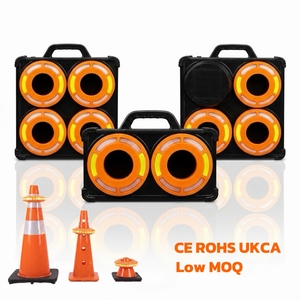
CE Synchronized Traffic Cone Light Beacon Commander Strobe
CE Certified
Auto-Sync
IP65 Rated
Explore our export-grade visual signaling systems, tested for extreme thermal stability up to +75°C ambient, IP65/IP68 dust protection, and optical clarity under high midday glare.
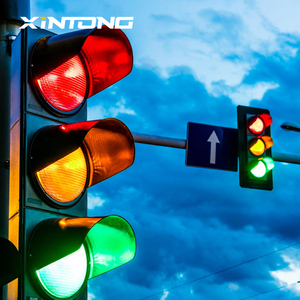
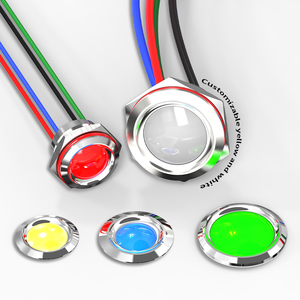
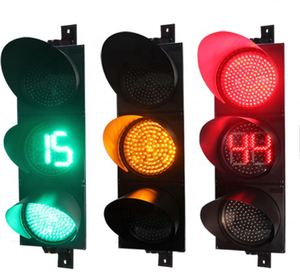
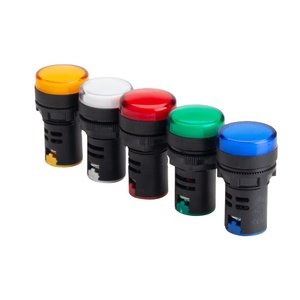
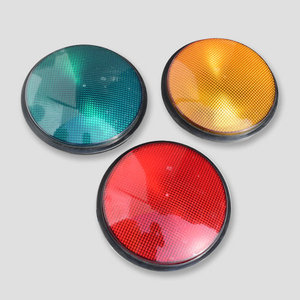
Purchasing traffic safety hardware, hazard warning beacons, and industrial indicator signals for deployment in Iraq requires an intimate understanding of the country's unique environmental challenges. The Iraqi geography—spanning from the sun-drenched southern deserts of Basra to the heavy traffic corridors of Baghdad and the mountainous terrain of Erbil—subjects electronic signaling hardware to ambient temperatures exceeding +52°C in summer, localized surface temperatures over +70°C, extreme UV degradation, fine airborne dust (shamal sandstorms), and fluctuating municipal electrical supply.
Key Engineering Takeaway for Iraqi EPC Contractors: Standard commercial-grade warning beacons fail within 6 to 12 months in southern Iraq due to thermal potting breakdown, plastic lens yellowing under UV radiation, and dust ingress standard IP54 housings cannot block. Specifying industrial-grade aluminium housing with IP65/IP68 sealing and constant-current LED drivers is critical for project longevity.
In high ambient thermal zones like Basra and Nasiriyah, typical LED lights experience severe thermal throttling and lumen degradation. When the junction temperature of a light-emitting diode exceeds 85°C, optical intensity drops dramatically, reducing visibility on high-speed expressways such as Highway 1.
As an experienced B2B manufacturer supplying Middle Eastern projects, our engineering design incorporates high-thermal-conductivity aluminium core PCBs coupled with external heat dissipation fins. Furthermore, our optical lenses utilize premium grade Bayer anti-UV polycarbonate. This prevents the yellowing and cracking caused by prolonged exposure to high solar radiation, maintaining compliance with EN12368 Class R2 photometric intensity standards across all 200mm and 300mm warning beacons.
Fine particulate dust in Iraq easily penetrates inadequately sealed warning light housings, creating an insulating layer on electronic drivers that causes overheating and short circuits. Our warning beacon series engineered for the Middle East utilizes seamless silicone double-O-ring gaskets and potted constant-current power modules. This achieves a verified IP65 to IP68 rating, guaranteeing zero ingress of micro-particulates even during severe multi-day sandstorms.
| Parameter | Standard Commercial Beacons | Trafitronics Iraq-Grade Beacons | Impact on Iraqi Field Projects |
|---|---|---|---|
| Operating Temperature | -10°C to +45°C | -20°C to +75°C (Ambient) | Prevents thermal shutdown during peak summer in Basra oilfields. |
| UV Resistance | ABS / Standard Acrylic | Bayer Anti-UV Polycarbonate | Ensures 7+ years lens clarity without yellowing or sun-crazing. |
| Ingress Protection | IP54 Dust/Splash Protection | IP65 / IP68 Continuous Sealing | Protects internal drivers against high-velocity sandstorm dust. |
| Voltage Input Flexibility | Single Voltage (220V AC) | 12-24V DC & 100-277V AC Wide Input | Compatible with local solar panels, generators, and grid drops. |
| Optical Standard | Basic Spot Flash | EN12368 & CE Compliant Optical Lux | Maximizes visibility at 250m+ on high-speed highway corridors. |
Power grid stability varies significantly across different provinces in Iraq. Remote road works, oil and gas extraction gates, and border checkpoints frequently rely on localized generator power or off-grid solar systems. Our warning beacons and traffic signal aspects feature broad-voltage power supplies (100V-277V AC) equipped with internal 4kV surge protection to absorb voltage spikes during generator transfers. For off-grid installations, our 12V/24V DC high-efficiency LED modules draw minimal wattage, enabling autonomous operation for up to 5 consecutive overcast days on standard solar-battery arrays.
From energy sector perimeter security to major civil highway rehabilitation, discover how our warning beacons solve site-specific signaling challenges in Iraq.
Oil & gas extraction sites require heavy-duty warning strobe lights, explosion-proof indicator towers, and high-intensity yellow warning beacons for flare-stack access roads and tank farm perimeter gates. Our IP68 metal-housed multi-color indicators and solar-powered flashers provide reliable 24/7 visual alerts, operating continuously despite high ambient heat and hydrocarbon exposure.
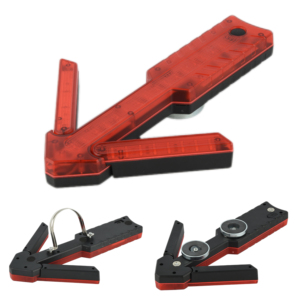
The reconstruction of key transit arteries connecting Baghdad, Hilla, Diwaniyah, and Erbil demands portable, synchronized hazard beacons for nighttime maintenance crews. Our 32PCS LED folding arrow warning arrays and synchronized cone strobe beacons allow highway contractors to establish high-visibility safety zones within minutes, mitigating high-speed rear-end collision risks.
As Iraq's primary maritime gateway, Umm Qasr Port experiences continuous heavy vehicle traffic, sea-spray corrosion, and dust. Our 200mm/300mm red/green LED signaling aspects and panel-mount industrial indicators are deployed at weighbridges, container crane gantries, and automated security gates to maintain safe cargo throughput.
Municipal infrastructure modernization projects in Baghdad, Erbil, and Sulaymaniyah require intelligent intersection control. Our EN12368 compliant 300mm signal heads with digital countdown timers integrate seamlessly with central junction controllers, reducing congestion and improving pedestrian safety at high-density urban crossings.
Operating a 29,000+ sq ft ISO-certified manufacturing facility, we offer complete control over optical R&D, SMT board assembly, metal housing fabrication, and international export logistics.
Established in 1992, our engineering team designs and flashes proprietary firmware for controller logic, constant-current drivers, and synchronized flashing algorithms—eliminating third-party failure points.
Our plant operates under audited ISO 9001:2015 (Quality), ISO 14001:2015 (Environment), and ISO 45001:2018 (Safety) systems. Products carry CE marks and IP65/IP68 lab test certificates ready for consultant submittal.
We provide sea-worthy palletized export packing with shock-absorbing foam inserts, double-wall corrugated cartons, and clear HS-code documentation for smooth clearance through Umm Qasr Port or overland borders.
Over the past three years, public works ministries and private civil engineering contractors across Iraq have shifted their procurement policies regarding traffic management and visual hazard warning systems. Key market shifts include:
Municipal authorities in Baghdad and Basra are actively replacing legacy halogen signal heads with high-lumen LED warning beacons. The primary driver is power efficiency: LED signal aspects consume up to 85% less electricity while providing high-contrast optical output that cuts through intense midday sunlight and localized dust haze.
Due to the cost of expanding grid wiring along remote highway corridors and rural junction checkpoints, demand for self-contained solar LED warning blinkers has grown significantly. Procurement managers prioritize units featuring integrated MPPT charge controllers and lithium/gel battery packs designed to withstand high storage temperatures.
Tender boards in Iraq increasingly demand comprehensive pre-shipment documentation. Importing entities must submit Manufacturer Test Certificates (MTC), Photometric Intensity Reports (EN12368 compliance), Certificate of Origin (COO), and IP65/IP68 waterproof testing evidence to pass customs inspection and obtain consultant sign-off.
Find quick answers to common technical, commercial, and logistical queries regarding warning beacon shipments to Iraq.
Yes. Our warning beacons, traffic signal lights, and solar blinkers are engineered in accordance with international EN12368 and CE standards, which are widely accepted and specified by Iraqi government ministries, municipal municipalities, and international EPC consultants.
We utilize high-grade aluminium alloy die-castings or virgin Bayer anti-UV polycarbonate housings paired with high-efficiency aluminium PCBs and constant-current LED drivers. This design minimizes internal heat buildup, allowing continuous operation up to +75°C ambient without thermal failure or lens degradation.
Every export order is accompanied by a complete documentation package, including Commercial Invoice, Detailed Packing List, Certificate of Origin (COO), Manufacturer Test Certificates (MTC) covering luminous intensity and IP65/IP68 ingress checks, and CE declaration certificates necessary for smooth customs clearance.
Standard LED warning beacons, industrial indicator lamps, and solar blinkers ship in 2 to 3 weeks following drawing approval. Customized multi-aspect traffic signals, junction controllers, or large-volume highway tender packages typically require 3 to 4 weeks for production and full burn-in testing.
Yes. Our in-house electronics design unit offers wide-voltage configuration. We can supply units configured for 12V/24V DC solar battery systems or wide-range 100V-277V AC input to ensure stability when operated on generator power.
All items are individually protected inside customized foam-cushioned inner boxes, packed into heavy-duty double-wall corrugated outer cartons, and strapped onto heat-treated fumigated wooden pallets with stretch-wrap weather sealing to withstand ocean freight conditions.
Get in touch directly with our senior export technical sales directors. We provide CAD drawings, photometric reports, customized aspect schedules, and competitive factory-direct pricing for Iraqi tenders.