Navigating traffic control and speed enforcement within the Greater Tokyo Area requires specialized sensor engineering, extreme weatherproofing, and seamless integration with Japan’s Universal Traffic Management Systems (UTMS). As a world-class manufacturing authority with 30+ years of hardware excellence, we provide Tier-1 systems integrators, the Metropolitan Police Department (Keishicho) contractors, and highway authorities (NEXCO / Shutoko) with ultra-precise radar-camera units built for dense, high-throughput arterial roads, elevated expressways, and subterranean tunnels.
Featured Speed Cameras & Traffic Monitoring Hardware for Tokyo Suppliers
The following eight enforcement and diagnostic speed camera platforms represent our core product line supplied to systems integrators and municipal procurement partners serving the Tokyo metropolitan jurisdiction. Each system features high-density optical sensors, micro-Doppler radar tracking, and ruggedized housing built to withstand Japan's coastal humidity, seismic vibrations, and heavy urban traffic loads.
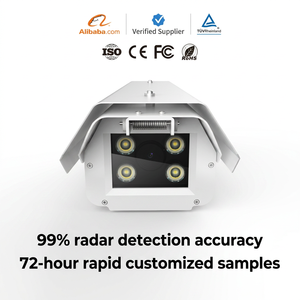
Bridge Traffic Control High Precision Vehicle Speed Detection IP Camera
Designed for elevated expressway structures such as the Shutoko network. Features real-time multi-lane tracking, high-precision radar fusion, and IP66 weatherproofing for accident prevention.
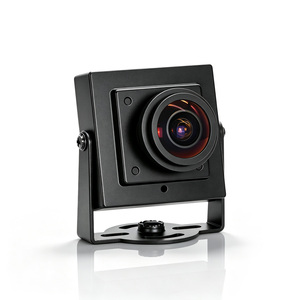
1080P 1.7mm 190° Fisheye High Speed 60fps Panoramic Ultra Low-Light Camera
0.003Lux ultra low-light performance with 60fps high frame rate capture. Ideal for panoramic intersection monitoring, blind-spot speed tracking, and high-density urban traffic analytics in Shibuya & Shinjuku.
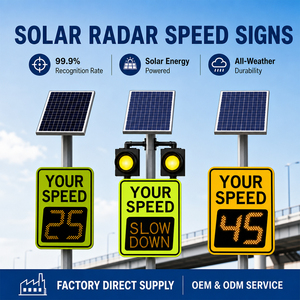
Outdoor Solar Warning Traffic Sign Radar Speedometer & LED Speed Limit Display
Autonomous off-grid driver feedback board integrating Doppler radar detection with high-visibility LED alert matrices. Excellent for school zones, suburban Tokyo corridors, and rural highway approaches.
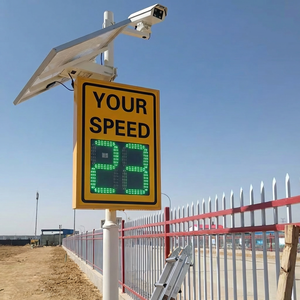
Integrated Solar-Powered Radar Speed Camera Unit with High-Res Optical Capture
Self-sustaining speed monitoring station combining solar power harvesting with dual K-band Doppler radar and high-definition video recording for temporary or permanent remote deployments.
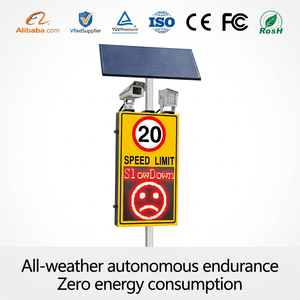
Professional Solar Radar Speed Detector Camera with Auto-Dimming LED Matrix
Engineered for construction zones and temporary speed limit enforcement. Features automated LED dimming to prevent driver glare during night monitoring on Tokyo arterial roads.
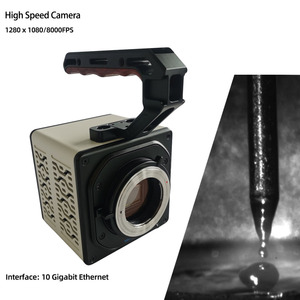
High Frame Rate Machine Vision Camera (GigE 1000fps) for Ultra-Fast Motion Tracking
Industrial Ethernet machine vision camera configured for ultra-high speed vehicle trajectory tracking, license plate identification at extreme velocities, and highway research labs.
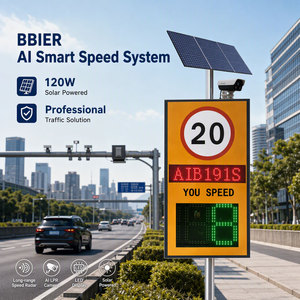
Galvanized Steel 12V 120W Solar LED Radar Speed Limiter Camera System
Heavy-gauge hot-dip galvanized steel enclosure housing high-output solar panels, radar detectors, and warning displays built to endure typhoons and coastal atmospheric exposure in Tokyo Bay.
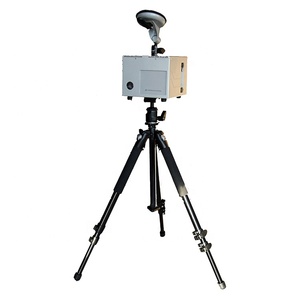
DEAN Car-Mounted Portable Radar Speed Enforcement Camera (IP66 Waterproof)
Patrol-ready portable enforcement platform featuring 24-hour continuous operation, rugged IP66 waterproofing, rapid magnetic roof mounting, and encrypted local data storage.
Localized Application Scenarios Across Tokyo’s Transportation Infrastructure
The Greater Tokyo Area operates one of the most complex, multi-tiered road networks in the world. Speed camera suppliers must deliver hardware tailored to extreme spatial constraints, high vehicle densities, underground tunnel heat, and strict optical accuracy guidelines set by regional transport authorities. Below are the four primary deployment environments in Tokyo where our specialized speed detection cameras excel:
1. Shutoko (Metropolitan Expressway) Tunnels & Elevated Ramps
Tokyo’s Shuto Expressway Network features long subterranean stretches (such as the Yamate Tunnel, stretching over 18 kilometers) and tight elevated curves. High ambient temperatures, exhaust haze, and restricted overhead clearance demand compact, vibration-resistant IP66/IP67 speed camera enclosures. Our systems use narrow-beam 24GHz/77GHz radar coupled with infrared flash illuminators to capture pinpoint speed readings and ANPR crispness without dazzling drivers in subterranean environments.
2. High-Density Pedestrian Districts (Shibuya, Shinjuku, Ginza)
At busy surface intersections like Shibuya Crossing or Shinjuku 3-chome, speed enforcement must be paired with wide-angle traffic flow tracking. Deploying our 190° ultra-low light 60fps fisheye and mini-radar platforms allows municipal authorities to enforce low urban speed limits (30-40 km/h zones), detect illegal turning maneuvers, and protect high volumes of pedestrian traffic with zero frame drops during night hours.
3. Heavy Freight & Port of Tokyo Logistics Corridors
Along coastal trunk routes, including the Wangan Expressway and Tokyo Port Access Roads, thousands of heavy logistics trucks travel daily between container terminals and distribution hubs. Our high-output solar radar speed displays and heavy-duty steel camera systems monitor commercial fleet compliance, prevent high-speed freight roll-overs, and provide auto-dimming alerts for night safety.
Localized Development Trends Shaping Tokyo’s Speed Camera Market
Japan’s smart city directives—spearheaded by the Cabinet Office's Society 5.0 Initiative and the Ministry of Land, Infrastructure, Transport and Tourism (MLIT)—are transforming speed camera procurement from standalone hardware into fully integrated, intelligent sensing nodes.
| Technology Trend | Traditional Traffic System | Next-Gen Tokyo Standard (Our Engineering Target) | Procurement Impact |
|---|---|---|---|
| Sensor Fusion Architecture | Single Doppler radar or inductive loop wire | Dual 77GHz mmWave Radar + 4K AI Optical ANPR Fusion | Eliminates lane-change tracking errors on multi-lane expressways. |
| V2X & UTMS Alignment | Isolated violation logging on local server | Real-time V2I (Vehicle-to-Infrastructure) data streaming via 5G | Direct integration into Tokyo's centralized traffic control centers. |
| Environmental Sustainability | 100% Mains AC Grid dependency | Off-Grid MPPT Solar Harvesting + High-Capacity Battery Backup | Supports Tokyo’s Net-Zero Carbon 2050 municipal mandates. |
| Low-Light Image Processing | Visible xenon white flash (blinds drivers) | 0.003Lux Starlight NIR Illuminators + Pulsed Infrared | Protects driver safety in dark subterranean & suburban zones. |
Edge-AI License Plate Recognition (ANPR)
Modern speed enforcement in Tokyo relies on instant, on-device optical character recognition that natively recognizes Japanese Kanji, Kana characters, and numerical plate configurations across standard, commercial, and kei-car plate formats. Our embedded Neural Processing Units (NPUs) process license plates inside the camera head, transmitting encrypted light metadata to reduce network bandwidth.
Extreme Weather Resilience (JIS Compliance)
Tokyo faces seasonal typhoons, extreme summer humidity, and coastal salt spray from Tokyo Bay. Our hardware enclosures are electrostatically powder-coated over hot-dip galvanized steel or aircraft-grade aluminum, meeting Japanese Industrial Standards (JIS C 0920 IP66/IP67) to ensure uninterrupted 24/7/365 operational uptime.
Why Global Systems Integrators Partner With Our Factory
Since 1992, Trafitronics India Pvt Ltd has operated as an original equipment manufacturer (OEM) and technology exporter dedicated exclusively to traffic control hardware, Doppler speed detectors, and intelligent transportation safety systems. Unlike trading entities or white-label brokers, we manage every engineering discipline inside our 29,000+ sq ft ISO-certified plant in Pune, India.
In-House SMT & Firmware Design
Our electronics assembly line features high-speed Surface Mount Technology (SMT) pick-and-place robotics for constant-current LED drivers, digital signal processing (DSP) radar boards, and low-power microcontrollers. Firmware is flashed and verified in-house, enabling custom protocol integration for overseas projects.
Triple ISO Certification
Our manufacturing workflow operates strictly under ISO 9001:2015 (Quality Management), ISO 14001:2015 (Environmental Management), and ISO 45001:2018 (Occupational Health & Safety). Every export shipment includes full test documentation and serial tracking.
Photometric & Ingress Testing Lab
Every speed camera display, lens assembly, and LED array undergoes rigorous photometric lux testing, thermal chamber cycling (-20°C to +70°C), and water jet ingress inspection to guarantee compliance prior to container loading and shipping.
Tokyo Market Procurement & Technical FAQ
Essential commercial and technical answers for Japanese traffic equipment distributors, systems contractors, and municipal procurement engineers sourcing speed camera systems.
Require Custom Speed Camera Specifications for Tokyo Projects?
Speak directly with our senior traffic engineering team. Submit your project requirements, road cross-sections, or tender specifications today to receive a complete technical proposal and FOB/CIF quotation within 24 hours.