Industrial Grade Traffic Signals & Convex Safety Solutions
Engineered for extreme durability, photometric clarity, and seamless compliance with Japanese road safety and industrial workplace mandates.
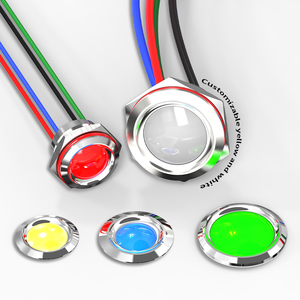
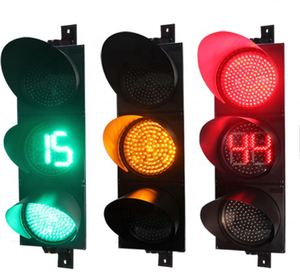
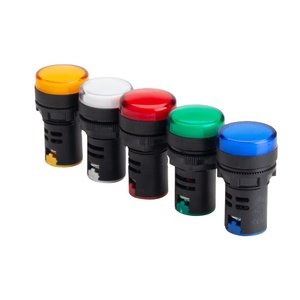
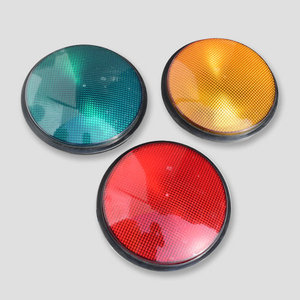
Strategic Overview: Convex Mirrors & Traffic Hardware for Japan's Safety Ecosystem
Japan’s road infrastructure and industrial safety landscape are widely acknowledged as among the most exacting in the world. Characterized by dense metropolitan centers such as Tokyo and Osaka, narrow historical residential corridors (Jutakugai), mountainous pass routes (Toge), and highly automated industrial zones, the demand for ultra-high-clarity convex mirrors and active LED hazard signaling systems remains critical. As an established OEM/ODM factory partner, our manufacturing operations are structured around delivering optical-grade convex mirrors, stainless steel traffic mirrors, and integrated warning signal assemblies designed explicitly to meet and exceed Japanese Industrial Standards (JIS).
Securing visibility at blind intersections and micro-mobility transit zones requires more than standard reflective surfaces. It demands precise mirror curvature control, specialized anti-dew coatings, typhoon-resistant housing frames, and vacuum-plated reflective layers that resist degradation over decades of exposure to extreme coastal salt air, heavy snow loads in northern prefectures like Hokkaido, and ambient seismic micro-vibrations.
Japan-Specific Engineering Standards & Materials Architecture
When supplying municipal agencies, prefectural road authorities, and corporate industrial complexes in Japan, materials engineering forms the baseline of quality assurance. Our manufacturing facility produces two distinct categories of convex mirrors tailored for Japanese procurement specs:
1. Stainless Steel SUS304 Convex Traffic Mirrors
For municipal blind corners, high-speed arterial road merges, and coastal regions vulnerable to salt spray corrosion, SUS304 stainless steel mirrors represent the absolute gold standard in structural longevity. Manufactured via high-tonnage hydraulic deep-drawing techniques, our mirror substrates feature:
- Substrate Integrity: Premium Grade SUS304 stainless steel, polished to a mirror mirror finish (reflection index exceeding 92%).
- Impact Resistance: Virtually indestructible against vandalism, gravel impact from passing trucks, and heavy falling branches during typhoons. Unlike glass or standard acrylic, SUS304 will not shatter, eliminating secondary hazard risks on public roadways.
- Thermal Resistance & Vacuum Sealing: Structural backing utilizing zinc-galvanized steel or heavy-duty UV-stabilized orange ABS housing, sealed with neoprene gaskets to maintain internal air-gap thermal equilibrium.
2. Optical-Grade Polycarbonate (PC) Convex Safety Mirrors
Engineered for indoor logistics warehouses, multi-level parking structures, automated factory floors (FA), and commercial facility intersections, optical polycarbonate convex mirrors offer lightweight flexibility combined with unmatched shatterproof performance.
- Elastic Memory & Rebound: Formulated with imported virgin polycarbonate resin, these mirrors can absorb severe mechanical impacts—such as accidental collisions by forklifts or vehicle side-mirrors—and immediately spring back to their original curvature without optical distortion.
- UV-Stabilized Hard Coating: Micro-thin outer clear coats block 99% of solar ultraviolet radiation, preventing yellowing, surface clouding, or micro-cracking over prolonged outdoor service life.
Technical Specifications Matrix: Convex Mirror Form Factors
| Mirror Type | Material Substrate | Curvature Radius (R) | Target Application in Japan | Weathering & Compliance |
|---|---|---|---|---|
| Outdoor Municipal Traffic Mirror | SUS304 Stainless Steel | R=2200mm / R=3000mm | Prefectural Road Blinds, Mountain Passes, Coastal Merges | JIS R 3220, Typhoon Wind Load > 60m/s, Salt Spray 1000h |
| Urban Intersection Mirror | Optical Polycarbonate (PC) | R=1500mm / R=2000mm | Kyokosakaten (Narrow Crossings), Pedestrian Crossings | UV Hard-Coated, Shatterproof, Orange Galvanized Backing |
| Indoor Warehouse & Plant Mirror | High-Impact Acrylic / PC | R=800mm / R=1000mm | Toyota Production System (TPS) 5S Aisles, AGV Lanes | Shatterproof, Light Weight, Wall/Pole Universal Bracket |
| Underbody / Security Mirror | Re-enforced Acrylic / Glass | R=600mm Parabolic | Subway Infrastructure, Customs Checkpoints, Security Gates | Heavy-Duty Caster Wheels, High LED Illumination Integration |
Localized Application Scenarios Across Japan
Understanding the exact environmental and structural contexts of installation in Japan is key to offering localized value-adds (Information Gain). Our convex mirrors and active LED traffic warning products are deployed across diverse Japanese operational settings:
1. Narrow Residential Intersections (Kyokosakaten)
Many urban zones in Tokyo, Kyoto, and Osaka feature single-lane roads intersecting at right angles with zero setback from traditional residential walls. Our 600mm to 800mm stainless steel convex mirrors eliminate T-junction blind spots for oncoming vehicles, kei-cars, and micro-mobility users (e-bikes/scooters).
2. Cold-Region Anti-Fog & Heavy Snow Zones
In northern Japan (Hokkaido, Tohoku, Niigata), night-time temperature drops cause rapid dew formation and surface freezing on standard mirrors. We engineer specialized vacuum-sealed back plates with internal thermal insulation rings, and optional passive heat-sink fins, ensuring clear visibility during sub-zero mornings.
3. Factory Automation (FA) & Warehouse 5S Safety
Japanese manufacturing plants adhering to Kaizen and 5S visual management guidelines require wide-angle convex optics at blind aisle corners where Automated Guided Vehicles (AGVs) share space with human workers. Full-dome and half-dome parabolic mirrors provide 360° overhead situational awareness.
4. Typhoon & High Wind Load Coastal Expressways
Coastal roads and island bridge connectors face severe annual typhoons with wind gusts exceeding 50m/s. Our mirrors feature heavy-gauge hot-dip galvanized steel mounting collars, dual-clamp pole brackets, and aerodynamic hood geometry designed via wind-tunnel simulations to prevent structural loosening.
Trends Reshaping the Japanese Road Safety Sourcing Market
Buyers, municipal contractors, and trading companies in Japan are increasingly focusing on total cost of ownership (TCO) and intelligent system integration when procuring safety hardware. Key emerging market dynamics include:
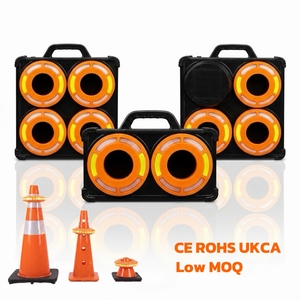
- Hybrid Passive-Active Safety Modules: Combining physical convex mirrors with solar-powered LED warning beacons or synchronized strobe signals (such as our CE Synchronized Traffic Beacon Light). When vehicles approach a blind curve, active flashing lights alert drivers to check the mirror ahead, reducing night-time collision rates dramatically.
- Transition from Glass to High-Performance SUS304 / PC: Traditional glass mirrors are rapidly being phased out across Japanese municipalities due to earthquake risks. Glass shards pose extreme liability during seismic events, accelerating the demand for certified shatterproof stainless steel mirrors.
- Strict Compliance with Environmental & Recyclability Codes: Modern Japanese tenders emphasize green procurement (Green Purchasing Law). Our manufacturing processes strictly avoid lead-based paints or toxic plating chemicals, utilizing 100% recyclable stainless steels and eco-friendly ABS/PC polymers.
Our Manufacturing Infrastructure & Technical Superiority
Operating from our certified 29,000 sq ft state-of-the-art manufacturing plant, our facilities integrate the entire production chain under one roof—ensuring stringent quality control at every stage:
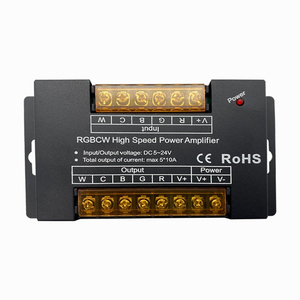
- In-House Electronics & SMT Assembly: Constant-current LED drivers, signal controllers, and flashing light PCBs are assembled in-house using automated Surface Mount Technology (SMT), guaranteeing zero component failure in harsh weather.
- Precision Stamping & Vacuum Coating: Heavy-duty hydraulic presses form exact parabolic curves, followed by high-vacuum aluminum/chromium deposition chambers to achieve distortion-free optical reflective surfaces.
- ISO 9001:2015, ISO 14001:2015 & ISO 45001:2018 Certification: Quality management is embedded into every workflow. Each batch undergoes rigorous photometric flux testing, vibration testing, and IP65/IP68 water ingress chamber verification.
- Complete Export Documentation for Japanese Customs: We provide comprehensive Japanese/English bilingual documentation, including Certificates of Origin (COO), Manufacturer Test Certificates (MTC), JIS material compliance sheets, and pre-shipment inspection photographic reports.