Featured Traffic Management & Signaling Systems
Industrial-grade LED aspect modules, intelligent vehicle warning strobes, and robust OEM/ODM signal components thoroughly tested for all climate conditions.
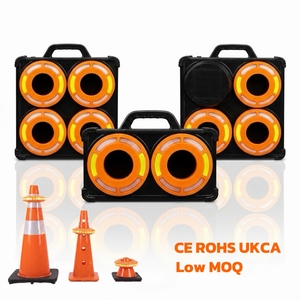
CE Synchronized Traffic Cone Light Beacon Warning Commander Strobe Signal Obstruction LED Safety Light For Road Work Emergency
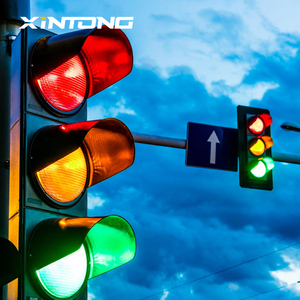
Xintong 200/300mm Intelligent LED Traffic Signal Light with Countdown Timer for Vehicle
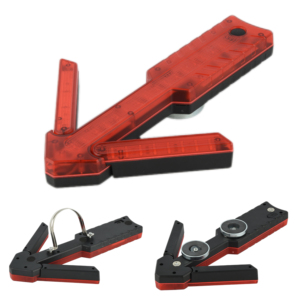
32PCS LED Road Safety Folding Arrow Rechargeable Warning Lights For Car Truck Traffic Beacon Lamp Emergency Signal Cone Light
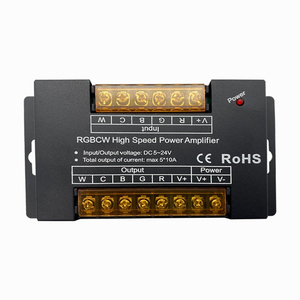
Voltage DC5-24V RGBWC signal amplifier led strip light signal repeater
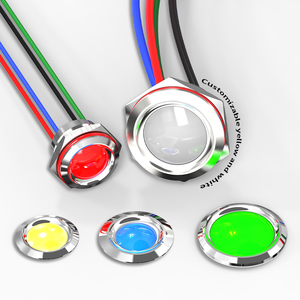
LANBOO Tri-Color LED Indicator Light 16mm 19mm 22mm 25mm Metal Panel Mount IP68 Common Anode Cathode 5-24V 220V
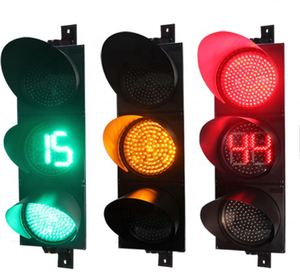
12-24V DC 100-277V AC 300mm High Brightness LED Traffic Signal Lights with Red/Yellow/Green Colors for Road Safety
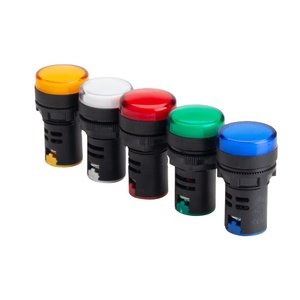
LVBO Wholesale 16MM/22MM Plastic LED signal Light AD16-22DS Industrial signal Indicator Light Indicator Lights
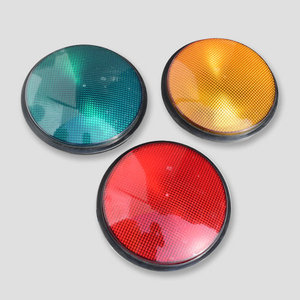
En12368 Led Traffic Light Signal
Next-Generation Technology & Development Trends in Traffic Light Manufacturing
Analyzing the Architectural Shift Toward Edge-Computing Traffic Signal Controllers, Micro-Grid Photovoltaic Hybridization, and Photometric Efficiency Engineering.
The global intelligent transportation systems (ITS) landscape is undergoing an unprecedented structural transition. Modern urban mobility frameworks demand that traditional, fixed-time traffic signals evolve into dynamic, data-driven node architectures. As municipal authorities, highway concessionaires, and civil contractors upgrade legacy road infrastructure, specialized OEM/ODM traffic light suppliers and exporters must bridge the gap between heavy-duty hardware durability and sophisticated digital interconnectivity.
1. V2X & Edge-Computing Integration
Modern traffic light heads are no longer simple optical indicators; they serve as physical hosts for V2I (Vehicle-to-Infrastructure) communication arrays, LiDAR sensors, and edge AI processors that optimize signal timings in real time.
2. Low-Degradation Optical Modules
Transitioning from discrete lead-frame LEDs to High-Power Surface-Mount Device (SMD) arrays combined with custom Fresnel optical lenses dramatically decreases phantom light reflection while achieving EN12368 Class IV luminance compliance.
3. Off-Grid Hybrid Solar Resilience
Integrating Maximum Power Point Tracking (MPPT) charge controllers with Lithium Iron Phosphate (LiFePO4) storage ensures zero-downtime operation across remote highway intersections without grid reliance.
The Shift Toward EN12368 and High-Precision Optical Performance
In international tender evaluations, standardized optical performance under EN12368 has become a decisive benchmark. This standard governs visual performance, color chromaticity coordinates (defined under the CIE 1931 color space), luminous intensity distribution, and phantom light performance. OEM/ODM traffic light manufacturers must engineer optical lens assemblies that prevent sunlight glare from artificially illuminating inactive aspects—a phenomenon known as "sun phantom effect"—which poses severe hazards at high-speed highway junctions.
Furthermore, modern LED traffic signals incorporate active pulse-width modulation (PWM) dimming and ambient light monitoring sensors. During night operation or low-visibility fog conditions, signal brightness automatically adjusts to prevent driver dazzle while maintaining optimal legibility up to 300 meters away.
Key Technical Insight: Standardizing on high-transmittance, UV-stabilized polycarbonate lenses backed by anti-corrosion ADC12 die-cast aluminum housings extends product field lifespans past 100,000 operational hours while maintaining IP65 ingress protection against monsoon rain and desert dust storms.
Future Procurement Trends in Global Traffic Signal Hardware
What EPC Contractors, Municipal Engineers, and International System Integrators prioritize when issuing bulk OEM/ODM requests.
| Aspect Size / Diameter | Target Application Zone | Vehicle Approach Speed | Recommended Optical Power | Housing & Mounting Standard |
|---|---|---|---|---|
| 300mm (12 Inch) | Expressways, National Highways, Arterial Roads | > 60 km/h (37+ mph) | 8W – 12W per aspect | Die-Cast ADC12 Aluminum / Polycarbonate IP65 |
| 200mm (8 Inch) | Urban Intersections, City Avenues, Bus Lanes | 30 – 60 km/h | 5W – 8W per aspect | UV-Stabilized Polycarbonate / IP65 |
| 100mm (4 Inch) | Toll Plaza Lanes, Industrial Gates, Parking Decks | < 30 km/h | 3W – 5W per aspect | Compact ABS / Metal Panel Mount |
| Pedestrian / Countdown | Zebra Crossings, School Zones, Transit Hubs | Pedestrian Walk Phase | 6W – 10W total module | Modular Stackable UV Polycarbonate |
Total Cost of Ownership (TCO) vs. Initial Unit Price
Global buyers are moving away from low-cost, uncertified traffic lights that suffer from rapid optical lumen degradation and thermal failure within 18 months. Modern municipal procurement tenders mandate minimum 3-to-5-year warranties, backed by verified photometric test certificates, ISO 9001 quality audits, and low degradation constant-current LED driver topologies.
Modular Customization & Protocol Openness
As traffic systems transition to smart city IoT networks, procurement authorities require OEM/ODM suppliers to offer standard RS485, NEMA, or UTMC controller protocols. Housing structures must allow rapid modular aspect swapping (Red-Yellow-Green, Turn Arrows, Countdown Timers, and Pedestrian Pictograms) without requiring completely new mounting brackets or junction cabling.
Why Leading Global Brands Choose Our OEM/ODM Services
Operating a specialized 29,000+ sq. ft. ISO-certified manufacturing plant in Pune, India, backed by over 30 years of localized engineering and international export experience.
In-House SMT & R&D Engineering
From schematic PCB circuit design and constant-current LED driver assembly to custom firmware flashing, our in-house R&D department controls 100% of the electronic core without reliance on unvetted third-party modules.
ISO 9001 / 14001 / 45001 Certification
Our production workflow complies strictly with international Quality Management, Environmental Safety, and Occupational Health standards. Each dispatched shipment includes traceable factory inspection certificates.
Precision Tooling & Mold Customization
We provide full OEM/ODM flexibility including custom shell colors (RAL specifications), private label branding, specific electrical input voltages (12-24V DC or 100-277V AC), and custom visor sun-shield lengths.
Rigorous IP65 Environmental Testing
Every batch undergoes thermal endurance testing (-40°C to +75°C), high-humidity sealing checks, vibration resistance verification, and continuous 72-hour burn-in procedures before export packaging.
Export-Grade Protection & Logistics
Reinforced sea-worthy palletization, custom foam inserts, and comprehensive documentation (Certificate of Origin, Bill of Lading, Test Reports) guarantee intact delivery across Africa, Middle East, Asia, and Europe.
Dedicated Engineering Support
Our engineers provide comprehensive technical documentation, CAD wiring schematics, junction phase timing schedules, and remote assistance for rapid field commissioning.
Frequently Asked Questions by OEM/ODM Buyers
Key technical, commercial, and operational insights for global procurement managers and highway engineering consultants.
Ready to Upgrade Your Traffic Control Infrastructure?
Partner with a direct ISO-certified OEM/ODM traffic light factory. Get custom technical specifications, CAD layout drawings, and competitive export quotes within 24 hours.