The 2026 market for Automatic sequential traffic timer systems is becoming more demanding. Cities need orderly signal changes, safer intersections, and dependable operation during heavy traffic. A reliable timer must coordinate red, amber, and green phases accurately. It should also support easy programming, visible status indicators, and stable performance in outdoor cabinets.
Traffic signal engineer Dr. Peter G. Furth has stated, “Signal timing should serve people, not merely vehicles.” This principle remains important when evaluating suppliers. A low price means little if the controller creates confusing delays or requires frequent manual adjustments. Buyers should examine timing accuracy, cycle flexibility, environmental protection, technical support, and documented testing procedures. Field experience matters. A supplier may present impressive specifications, yet actual performance can change under heat, dust, voltage variation, or communication interruptions.
This guide reviews leading Automatic sequential traffic timer suppliers for 2026. It considers product design, manufacturing capability, customization, installation guidance, and after-sales service. Supplier reputation is useful, but it is not enough. Independent verification still matters. Some published claims may sound stronger than the available evidence. That deserves reflection.
The most dependable companies usually explain their testing methods clearly. They also provide wiring diagrams, maintenance instructions, and practical replacement support. For municipal buyers, contractors, and system integrators, these details can reduce downtime and installation errors. The final choice should match local traffic patterns, cabinet conditions, operating schedules, and approved engineering requirements. No single supplier fits every intersection.
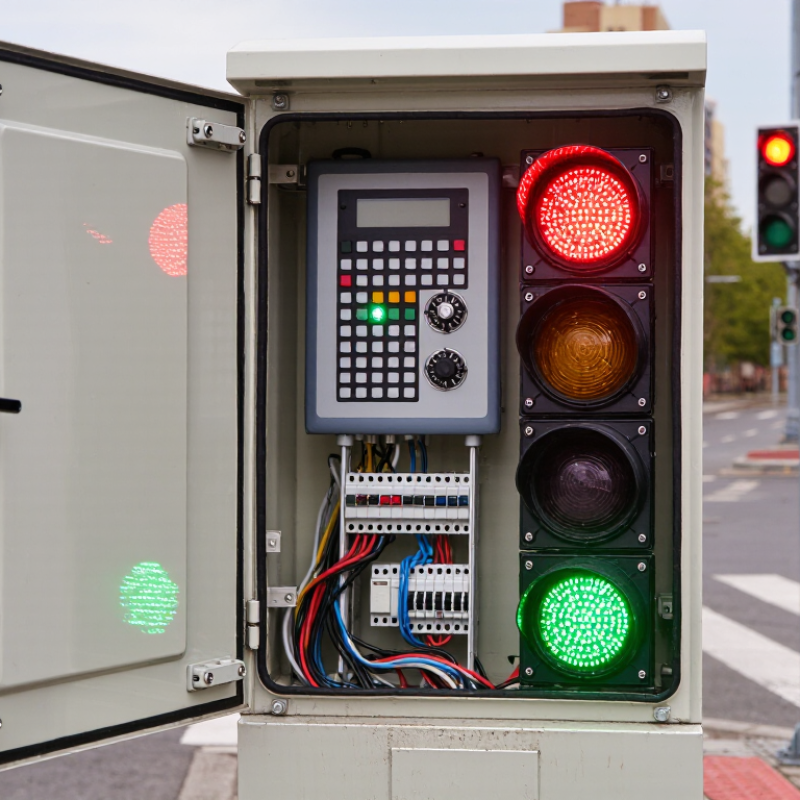
Automatic Sequential Traffic Timers: Definition and Operating Principles
Automatic Sequential Traffic Timers: Definition and Operating Principles
An automatic sequential traffic timer is a control device that manages traffic signals in a programmed order. It coordinates red, yellow, and green phases without constant manual operation. The timer follows preset durations, then sends electrical commands to signal controllers or relays. Each phase must finish before the next phase begins.
Timing matters.
Modern units may use microprocessors, digital displays, vehicle sensors, and battery-backed memory. A basic cycle could hold one direction on green for 45 seconds, allow a three-second yellow interval, and add a short all-red period. This separation helps clear the intersection before conflicting movement starts. Some systems adjust timing when detectors identify waiting vehicles or unusual traffic flow.
Reliable operation depends on accurate programming, secure wiring, and regular field testing. Installers should verify every phase with a stopwatch, inspect terminal connections, and test power-loss behavior. Weather, vibration, dust, and temperature changes can affect performance over time.
A timer may be precise but still unsuitable for a poorly planned layout. That is an important limitation.
Procurement teams comparing 2026 suppliers should examine timing resolution, enclosure protection, diagnostic alerts, service access, and compatibility with existing controllers. Clear manuals and traceable test records also support dependable maintenance. Small programming errors can produce large delays.
Key Features and Applications of Sequential Traffic Timers
Key Features and Applications of Sequential Traffic Timers
Sequential traffic timers control signal phases in a planned order, reducing confusion at busy intersections. Their core features include adjustable cycle times, phase coordination, countdown displays, and accurate internal clocks. A reliable unit should also offer clear diagnostics, protected wiring, weather-resistant housing, and stable operation during voltage changes. In field commissioning, technicians often value simple programming more than excessive menu options. Complicated controls can create avoidable mistakes.
These timers support urban junctions, school crossings, parking facilities, industrial entrances, and temporary road-management zones. At a school crossing, a programmed delay can give pedestrians enough time to clear the lane. At an industrial gate, sequential signals can separate trucks, forklifts, and staff vehicles. Some systems connect with sensors or central control platforms, allowing timing adjustments when traffic volume changes. Local regulations and approved installation practices must guide every setup.
A strong supplier should provide tested components, readable manuals, replacement support, and practical training. Independent inspection records can improve purchasing confidence. However, advertised precision does not guarantee perfect traffic flow. A timer may perform well in testing but struggle with poor wiring, harsh weather, or an unsuitable cycle plan. Engineers should review real traffic patterns after installation and revise settings carefully. Small timing errors matter. Human observation still has value.
2026 Top Automatic Sequential Traffic Timer Suppliers: Key Applications and Timing Profiles
The chart compares representative programmed cycle durations commonly used in automatic sequential traffic-control applications. Urban intersections generally require longer coordinated cycles, while parking gates and industrial access points typically use shorter sequences. Actual settings vary according to traffic volume, road geometry, pedestrian requirements, safety clearances, and local regulations.
2026 Evaluation Criteria for Selecting Reliable Suppliers
2026 Top Automatic Sequential Traffic Timer Suppliers
The 2024 INRIX Global Traffic Scorecard reported that U.S. drivers lost about 43 hours in congestion. That figure makes timing accuracy a practical purchasing issue, not a decorative specification. Reliable suppliers should provide measured sequence accuracy, restart behavior, and switching latency. Ask for test records under repeated cycles, not only laboratory screenshots. A timer that slips two seconds during a busy phase can create visible queue growth.
Safety and resilience deserve stronger attention. The FHWA Traffic Signal Timing Manual stresses coordinated timing, detector quality, and field validation. Suppliers should explain fail-safe states, manual override, watchdog functions, and recovery after power loss. Request evidence from temperature, vibration, moisture, and electromagnetic interference tests. IEC 61508-based safety practices can strengthen the review, although certification alone does not prove suitability. The gap matters.
Evaluate support with the same seriousness as hardware. ISO 9001 certification may indicate controlled processes, but audit scope and corrective-action records require inspection. Compare spare-part availability, firmware control, cybersecurity procedures, warranty terms, and technician response times. Require a pilot installation with timestamped logs from real intersections. A clear total-cost model should include commissioning, training, maintenance, and downtime. I would not trust a perfect proposal immediately. Field data can expose assumptions. Supplier references should include similar traffic volumes, weather conditions, and integration demands. A simple scoring sheet helps, but human judgment remains necessary.
Leading Automatic Sequential Traffic Timer Suppliers in 2026
Leading Automatic Sequential Traffic Timer Suppliers in 2026 are adapting to denser roads, connected intersections, and stricter reliability requirements. Public market reports rarely isolate automatic sequential traffic timers, so buyers should avoid unsupported market-size claims. MarketsandMarkets estimates the smart traffic management market will grow from about USD 11.7 billion in 2023 to USD 22.9 billion by 2028, at a 14.3% CAGR. This wider category still shows strong demand for coordinated control systems.
Reliable suppliers now offer timers with programmable phase sequences, cabinet-level diagnostics, and stable operation during communication loss. Field experience suggests that simple interfaces often reduce maintenance errors. Look for millisecond-level timing accuracy, event logging, surge protection, and compatibility with existing signal controllers. The International Transport Forum continues to emphasize data-led traffic management and operational resilience in urban mobility planning. That makes integration capability more valuable than a low purchase price.
Testing evidence matters. Suppliers should provide temperature ratings, failure-response procedures, firmware records, and documented factory inspections. The U.S. Federal Highway Administration’s traffic signal guidance highlights coordinated timing, detection quality, and regular performance evaluation. Yet supplier documentation is sometimes vague. That is a warning sign. Buyers should request sample logs, replacement lead times, and independent compliance evidence before approving equipment for busy intersections. Grand View Research also identifies connected infrastructure and intelligent transport systems as major traffic-management growth drivers through 2030. Future-ready suppliers will need practical interoperability, not just attractive specifications.
Installation, Maintenance, and Supplier Support Considerations
2026 Top Automatic Sequential Traffic Timer Suppliers
Choosing a traffic timer supplier requires more than comparing cycle accuracy or purchase prices. Installation support often determines long-term performance. Experienced suppliers should provide clear wiring diagrams, mounting guidance, and commissioning procedures. Technicians must inspect cabinet locations, cable routes, drainage, and power quality before activation. Site conditions matter. Poorly sealed conduits can admit moisture, causing intermittent faults and premature component failure.
Maintenance planning should begin during installation. Ask suppliers for service intervals, fault-code references, replacement procedures, and training materials. A practical maintenance plan includes checking terminal tightness, enclosure seals, display visibility, and timing synchronization. Keep spare fuses, connectors, and approved control components available. Some suppliers offer remote diagnostics, but on-site inspection remains necessary. Remote data can miss loose wiring or physical damage.
Supplier support should be measured by response quality, not promises. Confirm emergency contact channels, technician availability, documentation updates, and warranty handling before signing an agreement. Request examples of commissioning reports and maintenance records. Reliable support teams explain failures clearly instead of replacing parts without investigation. A perfect installation is unrealistic; weather, traffic changes, and human error can expose weak assumptions. I would also schedule a review after the first busy season, because early performance may hide developing problems.
FAQS
It controls traffic signals in a programmed order. Red, yellow, and green phases follow preset durations. Manual operation is usually unnecessary.
The timer sends electrical commands to signal controllers or relays. Each phase ends before the next begins. Timing matters.
One direction may receive 45 seconds of green time. A three-second yellow phase follows. A short all-red period helps clear the intersection.
Some units use vehicle sensors. They may adjust timing when queues grow or traffic changes. Detection quality still matters.
Compare timing resolution, display clarity, enclosure protection, diagnostics, and controller compatibility. Also review service access and memory backup.
They should verify every phase with a stopwatch. Inspect terminal connections carefully. Test restart behavior after power loss. Field testing can reveal hidden mistakes.
Heat, cold, moisture, dust, and vibration may reduce reliability. Electromagnetic interference can also cause trouble. A precise timer may still suit a poor layout.
Request repeated-cycle records, timestamped field logs, and pilot installation results. Review fail-safe states, manual override, watchdog functions, and recovery behavior. Laboratory screenshots are not enough.
Include commissioning, training, spare parts, maintenance, and possible downtime. Check firmware control and technician response times. A cheap purchase can become expensive later.
No. Certifications may show controlled processes, but they do not prove site suitability. Use a scoring sheet, then question its assumptions. Human judgment remains necessary.
Conclusion
An Automatic sequential traffic timer is a control device designed to coordinate traffic signals, lane movements, pedestrian crossings, or temporary road-management systems according to a programmed sequence. By controlling timing intervals and transitions, it helps improve traffic flow, reduce confusion, and support safer operations in areas such as intersections, construction zones, parking facilities, and private roads. Key features may include adjustable timing cycles, reliable switching performance, simple programming, weather-resistant construction, and compatibility with existing control equipment.
In 2026, reliable suppliers should be evaluated by product quality, timing accuracy, safety design, customization options, certifications, delivery capability, and after-sales support. Buyers should also consider installation requirements, user documentation, replacement parts, maintenance procedures, and technical assistance. A dependable supplier should provide clear setup guidance, responsive troubleshooting, and long-term service to ensure stable performance. Careful comparison of specifications, operating environments, warranty terms, and total ownership costs can help organizations select a suitable solution for their traffic-control needs.